Schnitzel, fried chicken and another beer
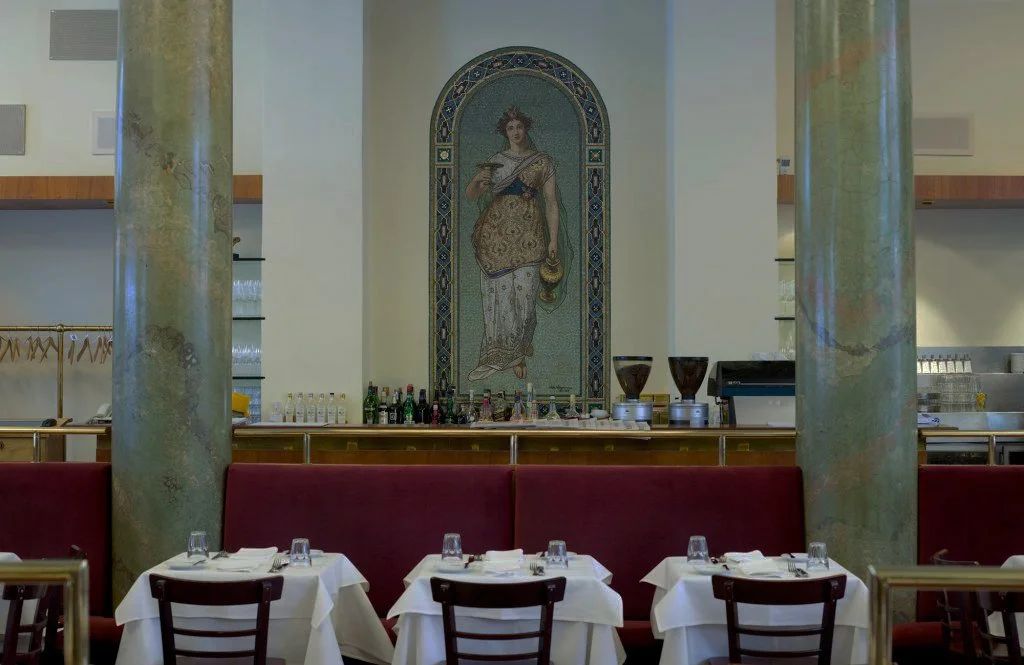
Backhendl at Trio, half a chicken at Henne, lentils with spätzle at Joseph-Roth-Diele: six places for German cooking, from the tavern to the vegetable-led menu.
Fried chicken and Frittatensuppe, a broth with strips of pancake, at Trio; lentils with spätzle at Joseph-Roth-Diele; half a chicken at Henne. These six places connect Berlin’s taverns with cooking from across Central Europe. Some focus on established favourites, others on vegetables and changing dishes.
Trio – the tavern without the folklore
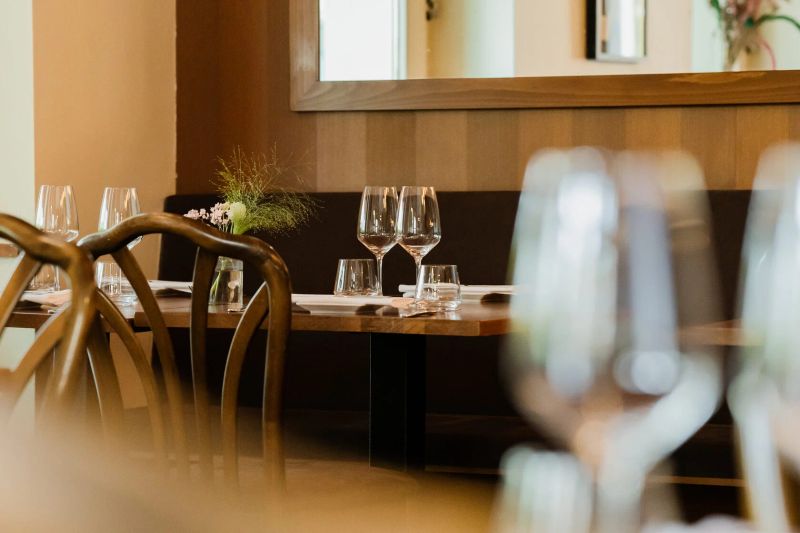
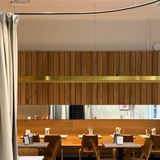
Eva Alken, Clemens Roesch and Vadim Otto Ursus met at otto in Prenzlauer Berg. In March 2023 the three of them opened Trio on Linienstraße, behind the Volksbühne. Instead of wood panelling there is a big glass front, dark red tables and a long bar in the middle, about 70 seats. The kitchen cooks tavern classics from across Central Europe: goulash, meatballs, Backhendl. The Backhendl is the reason to go, and if you are only staying briefly, the counter with a pancake soup and a beer is the right spot.
TrioMitte · German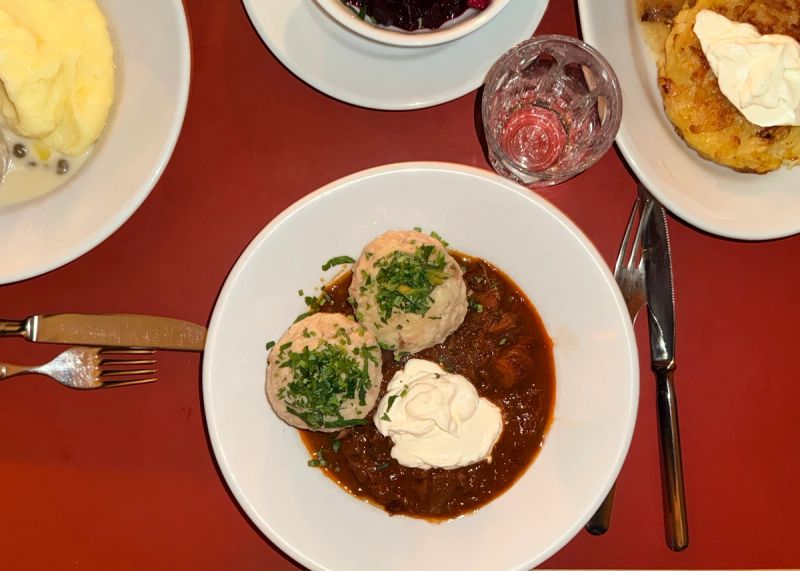
Trio
See the Must EatTrio
See the Must EatAlt Berliner Wirtshaus Henne – chicken in an old tavern
Henne opened on Leuschnerdamm on 24 June 1908 as “Wirtshaus zur Hirschecke”. After the war it sat right on the sector border. A photo from 1956 shows landlord Konrad Litfin standing on the emergency path in the American sector, serving guests sitting in the Soviet sector. Later the Wall stood five metres from the door. Above the bar hangs a letter from John F. Kennedy, a polite reply declining the family’s invitation.
There is essentially one dish: half a young chicken to a secret recipe, roasted crisp, with coleslaw or potato salad. It is only cooked once you order, so it takes time. Add a Schultheiß on tap or a Berliner Weisse, red or green. Tables are booked by phone from 4 p.m.; in summer you sit outside under the linden trees.
Alt Berliner Wirtshaus HenneKreuzberg · German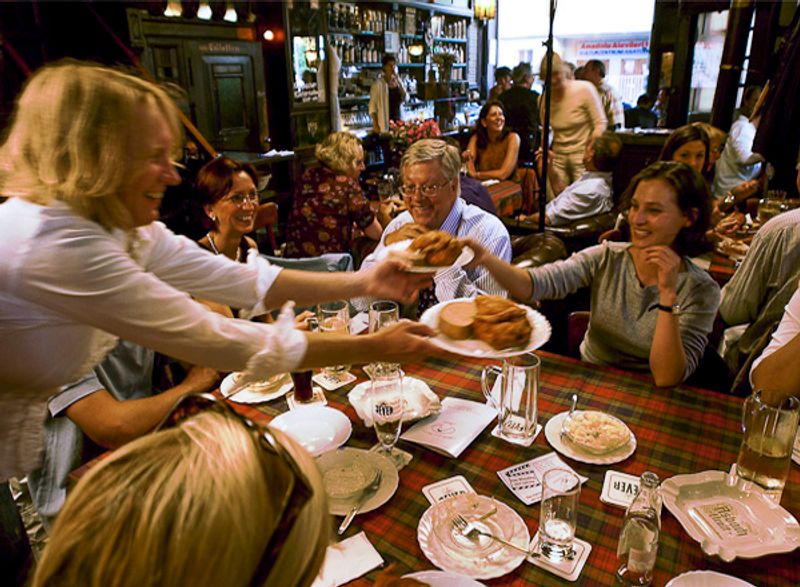
Diener Tattersall – the artists’ pub since 1954
Around 1900 the brick building on Grolmanstraße was the clubhouse of the “Tattersall des Westens” riding school. In 1954 Franz Diener took over, a trained butcher and former German heavyweight boxing champion. Under him the Diener became an artists’ pub. Today around 500 portraits of artists, actors and regulars hang on the walls, and more keep coming.
The cooking is Berlin pub food: Hackepeter, Bouletten, Königsberger Klopse, fried herring, matjes, veal Wiener schnitzel and apple strudel for dessert. The Klopse are the best of it. Open from 6 pm until late at night, closed on Sundays.
Diener TattersallCharlottenburg · German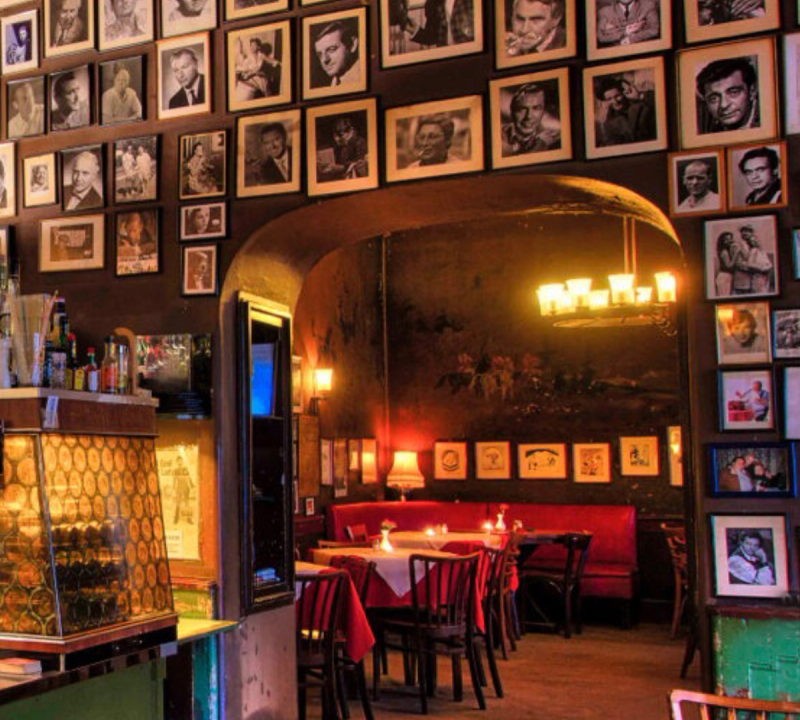
Joseph-Roth-Diele – lentils with spätzle on Potsdamer Straße
Joseph Roth moved to Berlin in 1920 and wrote about the city’s everyday life on Potsdamer Straße. The tavern on the same street carries his name. Roth quotes run along the walls, and you sit on Thonet chairs at tables with red-and-white checked cloths.
The cooking is home-style with a Swabian streak: lentils with Spätzle and Wiener sausages, beef goulash, matjes herring on buttered bread, vegetarian Maultaschen with potato salad, Käsespätzle. The lentils are the most rewarding, with Kalter Hund for dessert. The Diele is only open Tuesday to Friday, and the kitchen cooks from noon to 8 pm.
Joseph-Roth-Diele GaststätteSchöneberg · German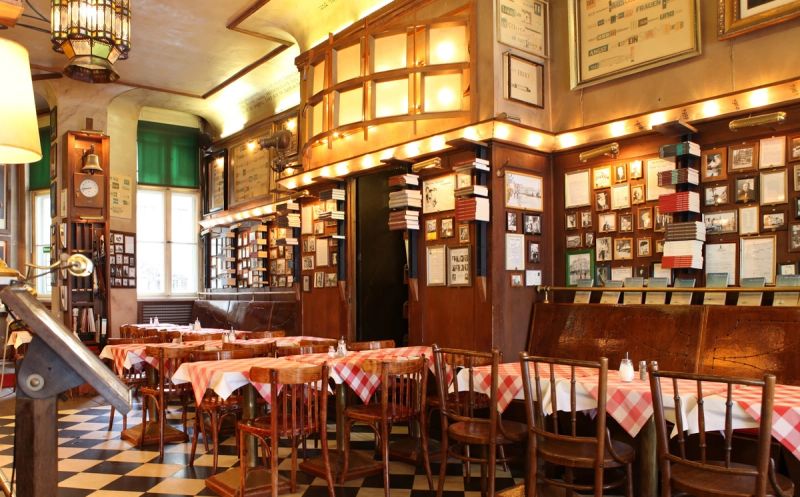
Borchardt – the Republic’s schnitzel
Roland Mary and Marina Richter opened Borchardt on Französische Straße in 1992, a Parisian-style brasserie just after reunification, when there was little going on around Gendarmenmarkt. It has been called the Republic’s canteen ever since: Gerhard Schröder came for the schnitzel, Angela Merkel held coalition talks here. The Wiener schnitzel arrives pounded thin, with lukewarm potato salad.
BorchardtMitte · German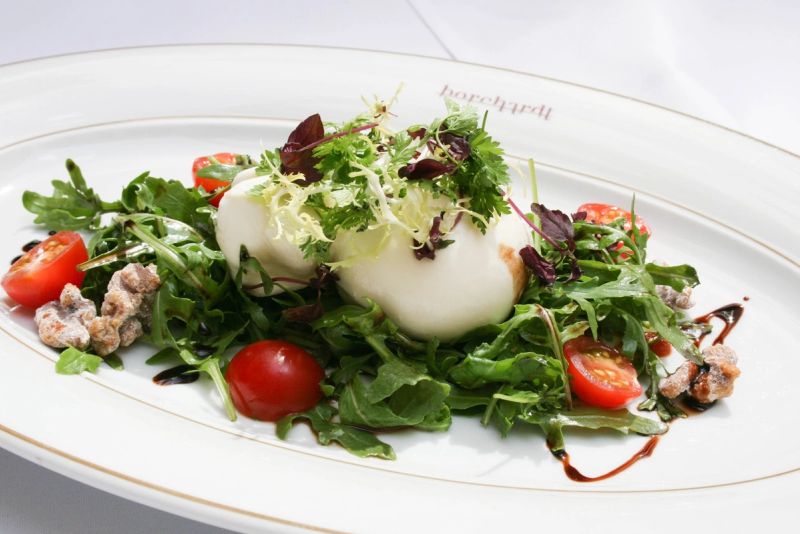
Jungbluth – new German cooking in Steglitz
Jungbluth sits in a corner building on Lepsiusstraße that was a wine bar more than a hundred years ago. The old bar counter, the stucco and the high ceilings are still there. André Sawahn co-founded the restaurant in 2013. The cooking is vegetable-led, with selected cuts of fish and meat from farms in Berlin, Brandenburg and the German coasts. The Michelin Guide recognised Jungbluth for nine years in a row from 2015.
“Jungbluths Wahl” is three courses from the day’s offer, with the only choice being fish, meat or vegetarian, and it is a good way to eat here. For small celebrations there is the “Alte Küche”, a separate room for up to twelve people.
JungbluthSteglitz · German