Eat This
Japanisches Restaurant Berlin

The best Japanese restaurants in Berlin – from omakase to ramen

Ten-seat omakase counters, binchotan yakitori and udon pulled behind glass: Berlin's Japanese food scene has quietly become one of Europe's most serious.

For a long time, eating Japanese in Berlin meant California rolls with cream cheese and a maki lunch deal. Those days are over. The city now runs ten-seat omakase counters, yakitori grills fired with binchotan charcoal and udon workshops where the dough is pulled behind glass — at a level that no longer needs to hide from far bigger Japanese communities.

Fourteen places, sorted from the counter to the bowl: omakase and sushi first, then izakaya and grill, udon and ramen to finish.

SAN – nigiri behind a restrained façade

Mitte · JapaneseSANTo the map

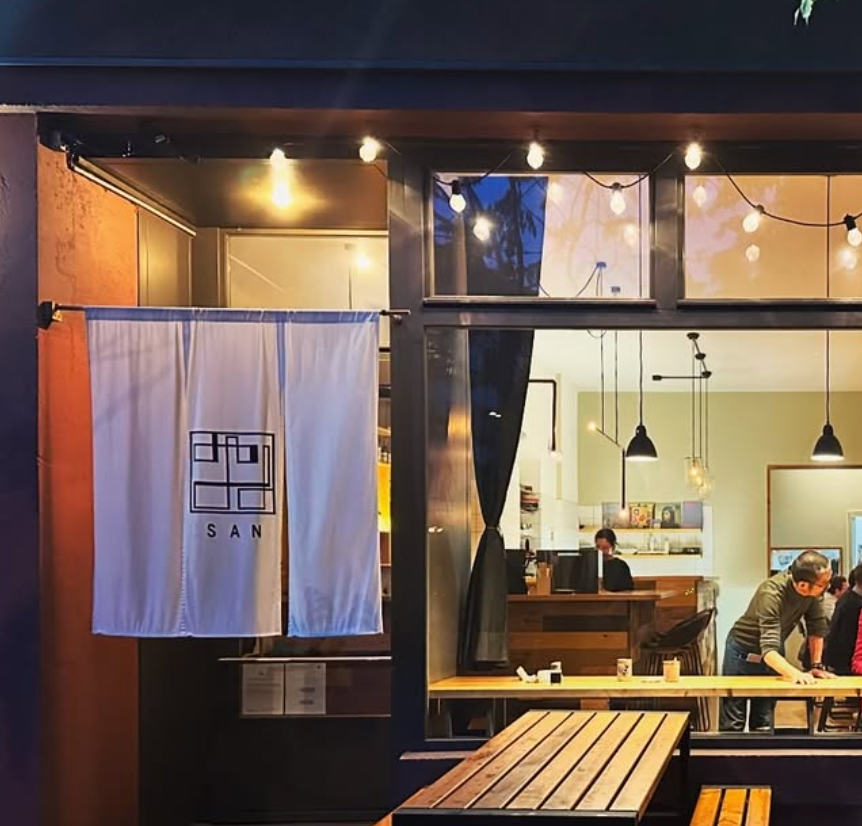
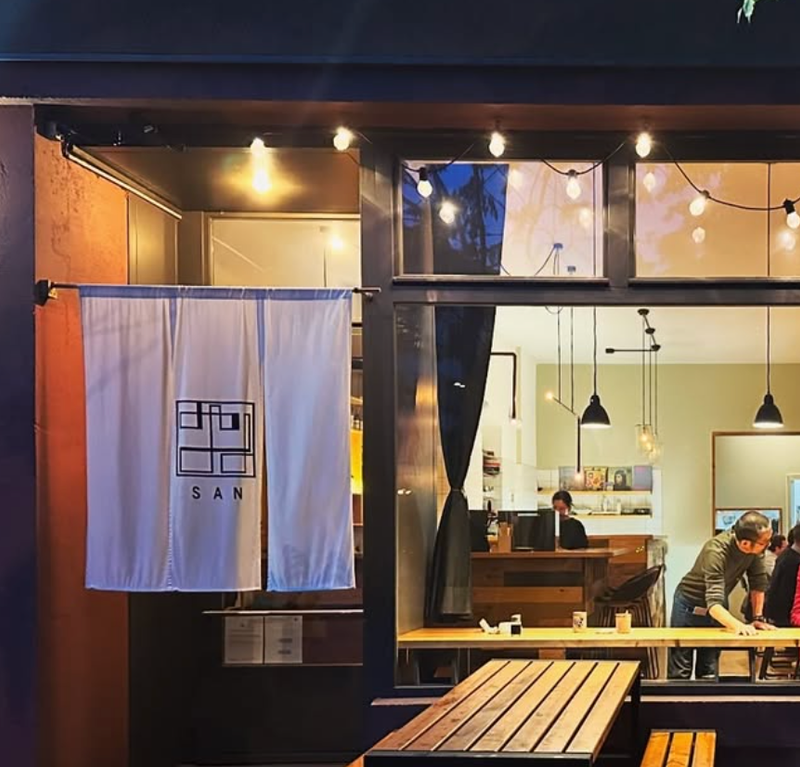
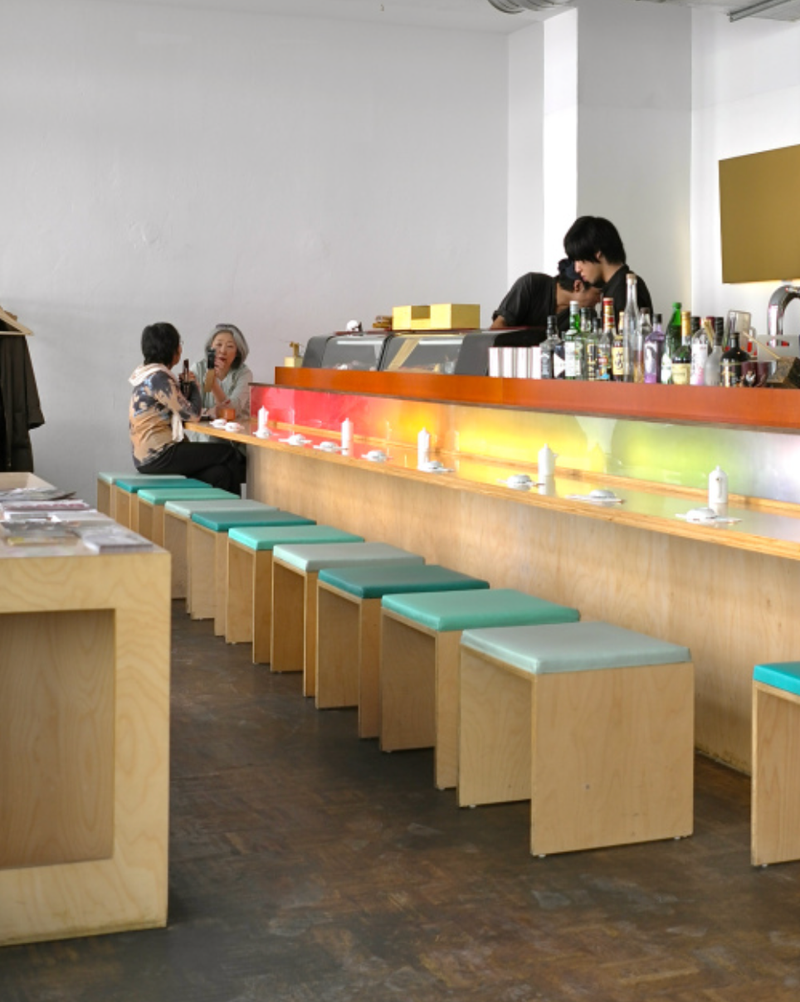
On Weydingerstraße, a few steps from the Volksbühne, Tomoya Sakashita runs his own room after years at various Berlin sushi counters. Omakase sits beside a tight roster of nigiri, sashimi and warm plates; the fish comes from a fixed circle of European suppliers. The interior is cut minimalist, and the open kitchen pulls every eye to the counter.

Slide the karaage chicken between the nigiri courses — it's the warm anchor of the menu. And watch the clock: the table is yours for two hours.

Shiori – ten seats, one menu

Mitte · JapaneseShioriTo the map

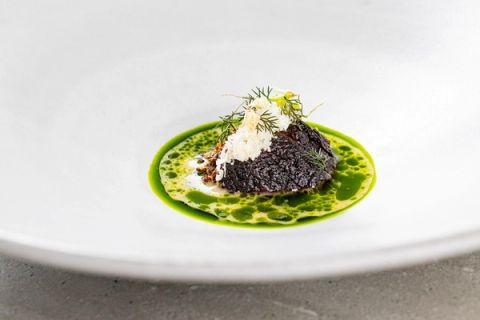
At the omakase counter on Max-Beer-Straße, Shiori Arai alone decides what arrives. There is no menu to read, only the evening's sequence: Japanese technique, regional ingredients, wasabi grated fresh instead of squeezed from a tube, and European wild herbs as the bridge to Berlin. The night follows the kitchen's tempo, not the table's — and that is exactly the point.

Flag allergies and dietary restrictions when booking — with a fixed menu and no à la carte fallback, that call saves the evening.

893 Ryōtei – Duc Ngo's hide-and-seek on Kantstraße

Charlottenburg · Japanese893 RyoteiTo the map

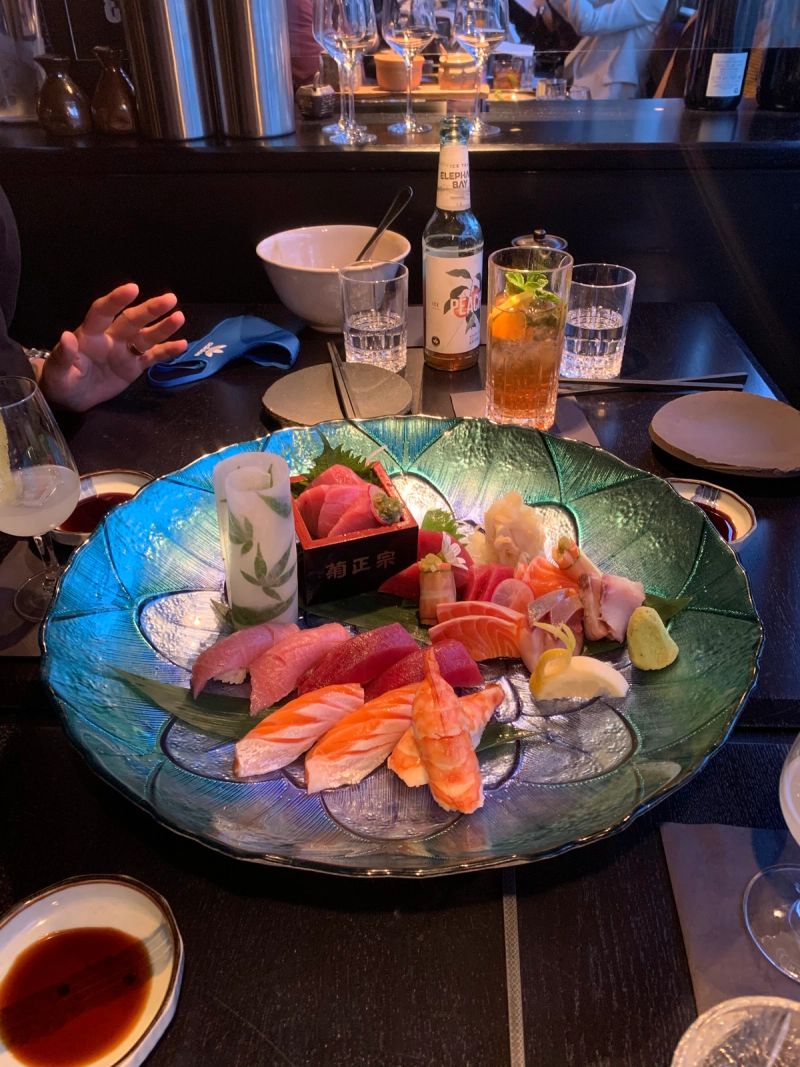
Outside, a heavily graffitied façade that reads like an abandoned shell; inside, lounge atmosphere with a sushi counter and an open sashimi kitchen. On Kantstraße, The Duc Ngo runs the elevated peak form of Japanese dining — that is what ryōtei means — with South American influences showing on the menu. Almost always full; reservations mandatory.

Let the counter lead the selection — the sashimi line is unusual for Berlin. The kitchen splits dishes into smaller portions on request, so you can cover more ground.

Sasaya – the classic on Lychener Straße

Prenzlauer Berg · JapaneseSasayaTo the map

A Japanese team, a counter in full view, and a programme that skips fried rolls and cheese toppings entirely: hand-shaped nigiri and sashimi at a freshness level Berlin rarely matches. A second menu covers udon bowls and small warm dishes from Japanese home cooking, with sake and seriously chosen tea alongside.

Book by phone — walk-ins usually get turned away. Bring cash or an EC card; credit cards don't work here.

UDAGAWA – the Steglitz institution

Steglitz · JapaneseUDAGAWA 宇田川To the map

A small eatery on a side street off Steglitz's Feuerbachstraße, for years a fixed point on Berlin's Japan map: low wooden tables, paper lanterns, a husband-and-wife team with a clean split — warm kitchen here, sushi there. The menu stays traditional: bento, tempura, donburi, plus a dedicated sushi list. The fact that Japanese regulars eat here says everything.

Reserve a counter seat and order the sushi-sashimi board — it is built at an almost ceremonial pace, and that is part of the evening.

Gingi's Izakaya – the small counter on Rykestraße

Prenzlauer Berg · JapaneseGingi's IzakayaTo the map

A Japan-trained Turkish sushi master at a small open counter in Prenzlauer Berg — it sounds odd at first, then works so well that most guests become regulars. Across the pass come sashimi with house-made dips, carefully rolled sushi and lovingly plated izakaya dishes; between courses the kitchen serves fermented black garlic as a palate reset.

Reserve and sit at the counter — from there you watch every cut.

The Catch – izakaya with a robata grill

Charlottenburg · JapaneseThe CatchTo the map

Gastro-pub logic in Japanese on Bleibtreustraße: sake instead of craft beer, a robata grill instead of taps, charred wood and gold-mended ceramics carrying the room. The menu runs sashimi, nigiri and poke beside a charcoal section of fish, meat and vegetables — much of it direct from markets in Spain and Japan. Signature: beef tataki with truffle emulsion.

Sit at the counter with a line of sight to grill and sushi pass — and actively ask about the mochi selection at the end.

stoke – yakitori as ritual

Kreuzberg · JapanesestokeTo the map

At the centre an open binchotan charcoal grill, wrapped by a long L-shaped counter where the kitchen team runs the evening like choreography. The menu rotates, the skewer section stays: yakitori and kushiyaki from breast to offal, grilled vegetables alongside, a bowl of rice to close. The bar pours highballs on cleanly Japanese logic.

The entrance is on Feilnerstraße, not Lindenstraße. Book a counter seat — that's where the show runs. Card payment only.

Shōdo Udon Lab – Sanuki udon behind glass

Friedrichshain · JapaneseShodo Udon LabTo the map

Behind a glass pane on Simon-Dach-Straße, someone pulls udon — by hand, with flour shipped from Japan, fresh every day. Sanuki style means firm, glossy strands with a bite that only gives way after minutes of slurping. The menu stays short — warm in clear broth, creamy-spiced in curry, or chilled with a dip; dashi and tempura come out of the same kitchen with the same care.

Take a counter seat at lunch instead of hunting for a table: from there you watch the dough get rolled, and the bowl arrives minutes-fresh. No reservations.

Cocolo Ramen – the Mitte standard

Mitte · JapaneseCocolo Ramen MitteTo the map

The ramen address from Oliver Prestele's team works Japanese and in full view: every broth is built to order, sesame is ground fresh as the bowl is assembled. The repertoire stays classic — shoyu, a clear shio, long-simmered tonkotsu — and the room is small enough that the pace stays unhurried.

Close with the genmaicha: green tea with toasted rice, a quieter full stop than espresso.

Buya Ramen Factory – backyard slurping in Kreuzberg

Kreuzberg · JapaneseBuya Ramen FactoryTo the map

In a backyard off Reichenberger Straße, the noodles are pulled in-house every day and the broth simmers for hours on a bone base until it stands dense. The signature runs as Crispy Duck Ramen, joined by vegan bowls, gyoza and a small menu of Japanese tapas — plus sake and Japanese whisky at the bar.

In good weather, take the courtyard — the few tables between the plants go fast, and outside slurps calmer than inside.

TAKUMI NINE 1 – Sapporo noodles on Pappelallee

Prenzlauer Berg · JapaneseTAKUMI NINE 1To the map

The Berlin branch of Düsseldorf's Takumi family sources its noodles from Nishiyama-Seimen in Sapporo — a provenance you can taste. Shoyu and tan tan carry the menu, and the broth holds the house line.

Go for the shoyu ramen with chashu. Cash only, no reservations — come early and the wait stays short.

Marubi Ramen – the institution on Schönhauser

Mitte · Japanese / RamenMarubi RamenTo the map

The Google listing still reads “Marubi Chinesische Spezialitäten” — but behind the door on Schönhauser Allee, one of the city's most reliable ramen kitchens has been at work since 2014: house-made noodles, gyoza and a chashu ramen that shows up in every Berlin ramen conversation.

Order the chashu ramen and gyoza for the table — no further planning required.

Niko Niko Ramen – the ex-Hako at Boxi

Friedrichshain · Japanese / RamenNiko Niko RamenTo the map

On Boxhagener Straße, Friedrichshain keeps slurping where Hako Ramen used to stand: strong broths, plus vegan bowls built as their own line rather than a compromise.

Queue briefly at peak hours on Boxhagener Platz — or come early and pit the vegan bowl against the classic broth.

Bottom line

Berlin's Japanese scene has come of age: omakase counters booked out weeks ahead, yakitori taken with binchotan seriousness, and noodle workshops that show their craft behind glass. To eat Japan in this city you don't need a flight — just a reservation.