Crapulix: A taste of France worth the trip to Steglitz
On Schildhornstraße, Olivier Lorente bakes French classics by hand. He used to work in fine dining; today he is busy with croissants, canelés and the question of how much butter a good dough can take.
At Schildhornstraße 87, Olivier Lorente runs the small pâtisserie Crapulix. After working in fine dining, he now focuses on croissants, canelés and other French classics. Everything is baked by hand.
From fine dining to the bakery
Lorente trained in a Michelin-starred kitchen, worked in various restaurants and at times ran his own. Over the course of his career he developed a particular passion for pâtisserie. Today he stands in the bakery at Crapulix himself. Croissants, pains au chocolat, baguettes, tartlets and other classics are made by hand. By his own account, he does without preservatives and industrial shortcuts.
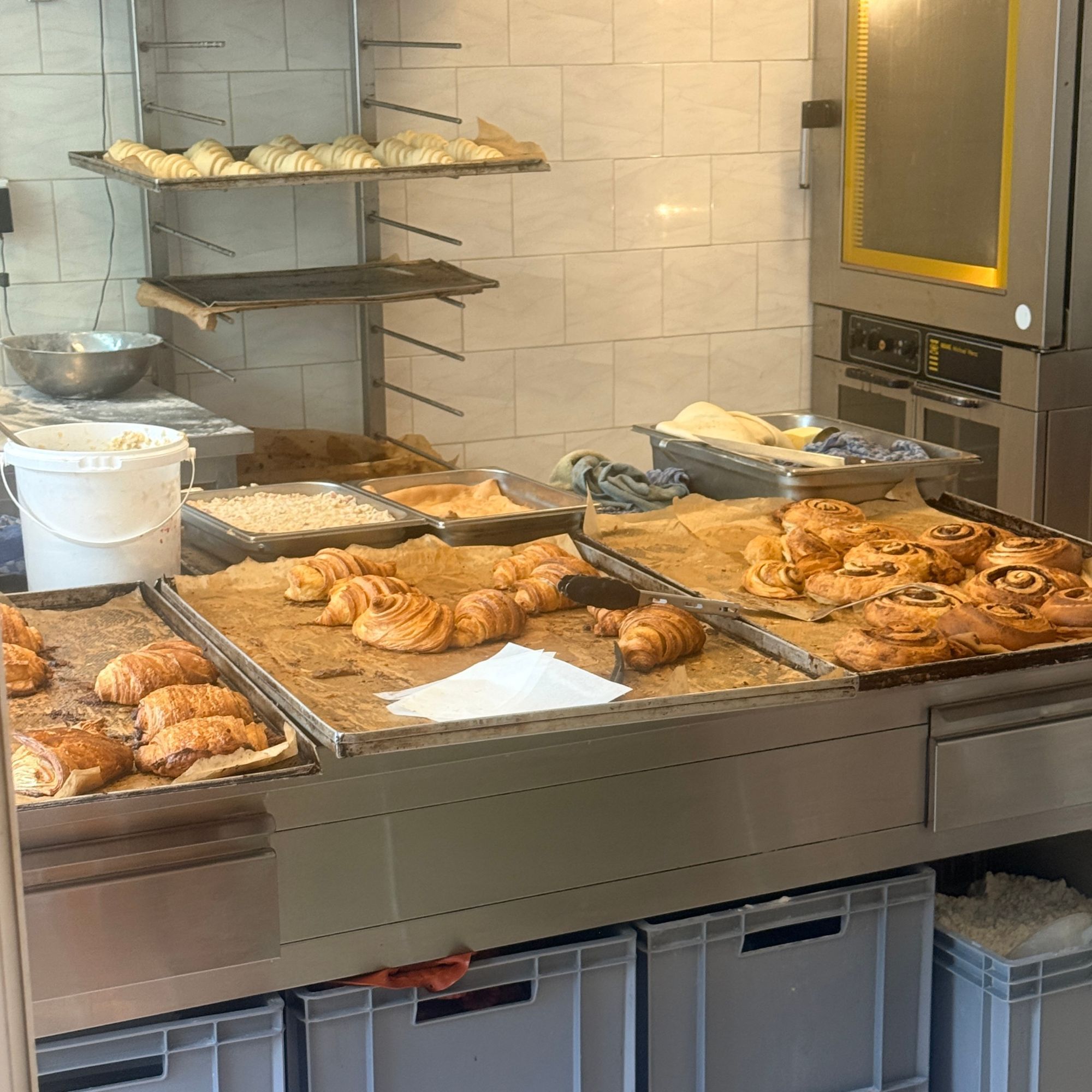
Lorente’s aim is clear: a croissant should taste of butter, a pain au chocolat of chocolate. That makes the classic croissant a good introduction to his range.
What makes a croissant so complicated
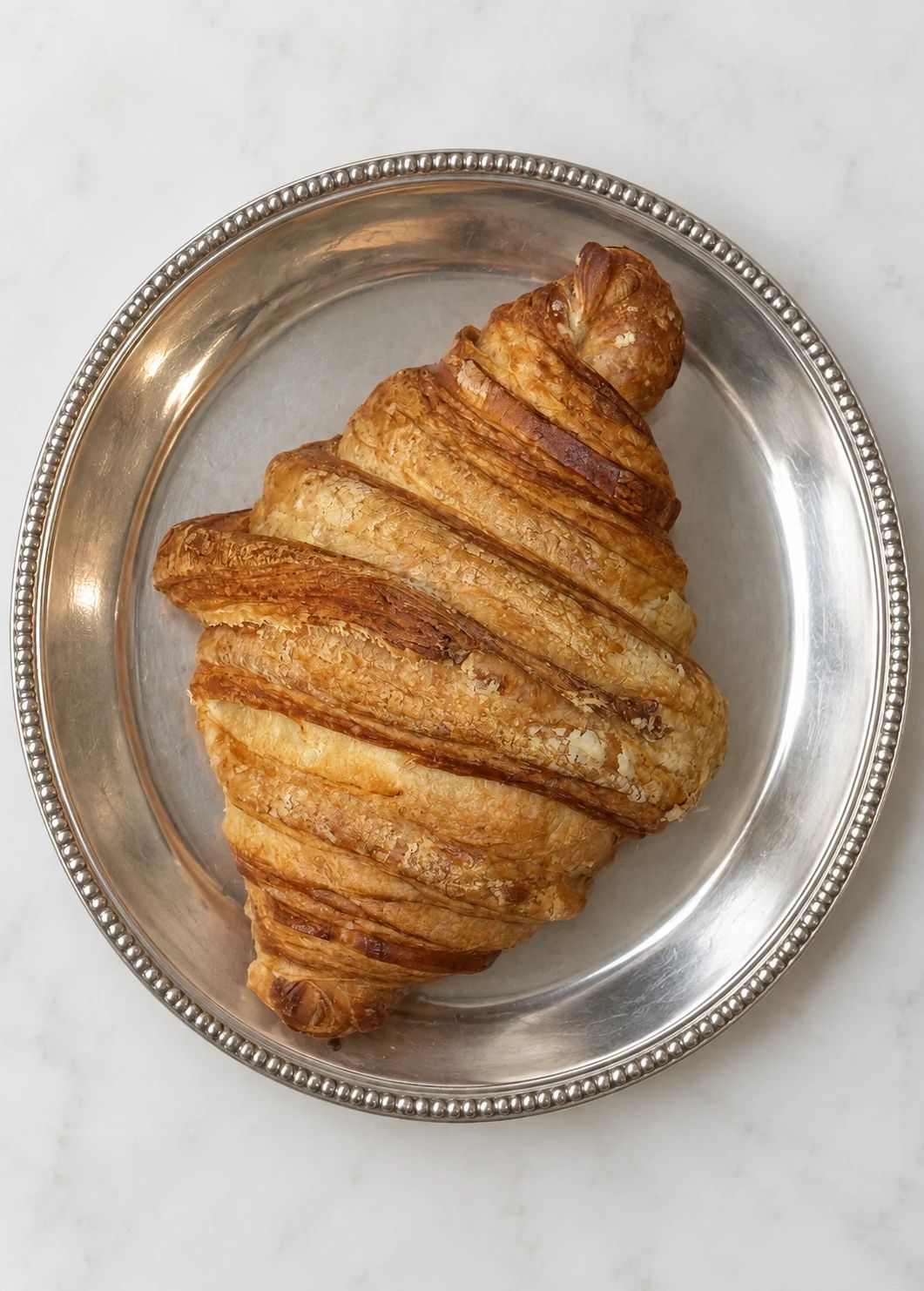
During lamination, butter is worked into a yeast dough. Repeated folding creates many thin layers. In the oven, steam separates them; the outside turns crisp and flaky, the inside soft and airy.
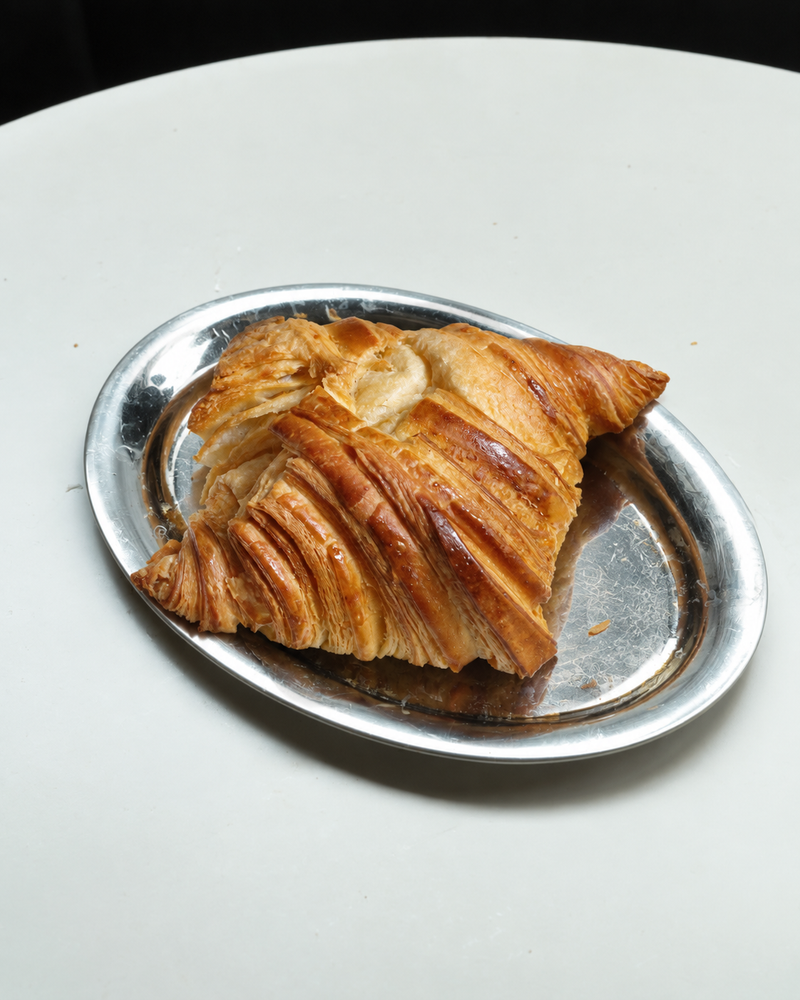
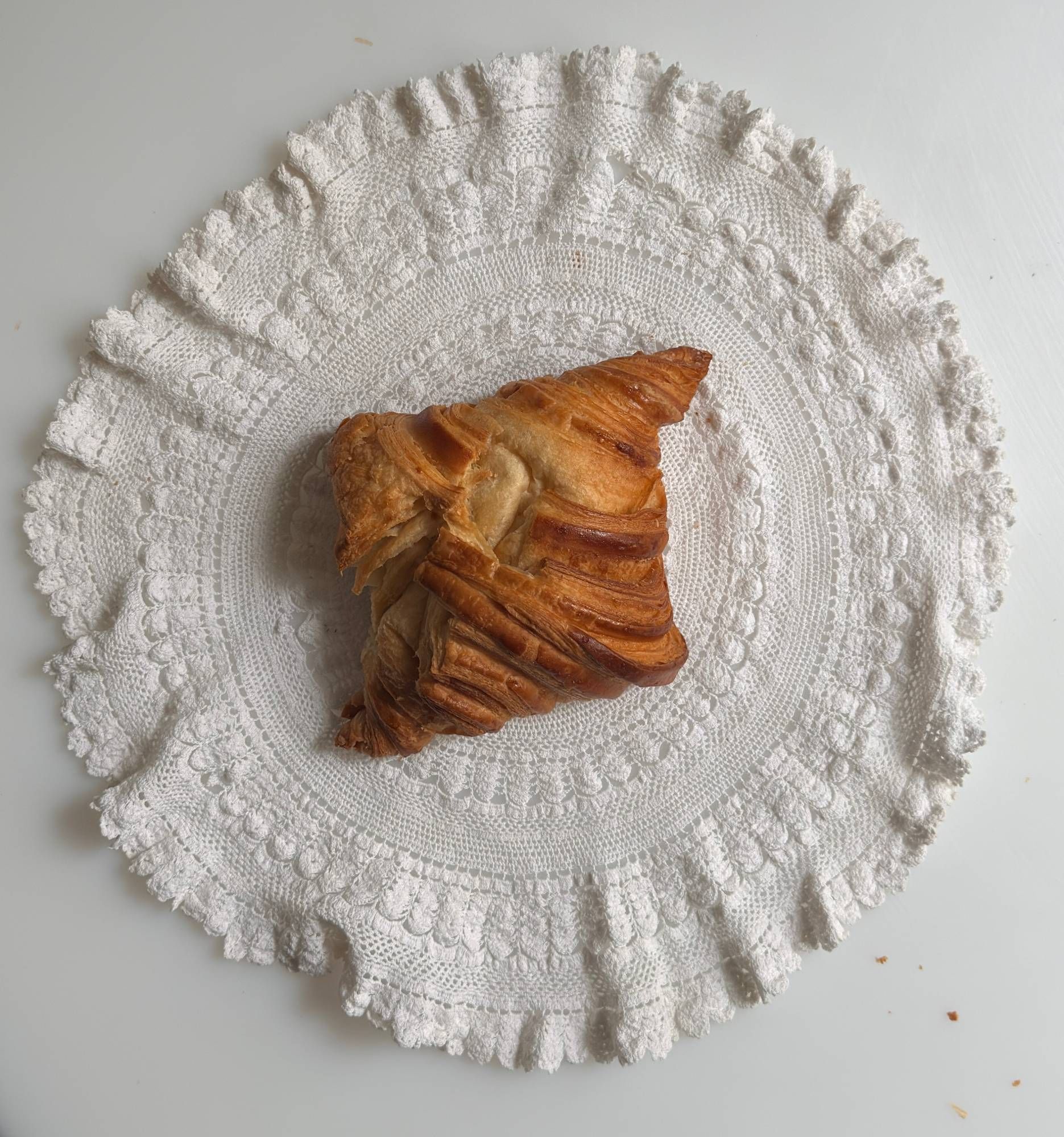
At Crapulix, the classic croissant shows that this work is mastered. The golden-brown surface shatters into fine layers, underneath lies a soft, distinctly buttery centre. It needs no filling or glaze. If it is your first time here, start with exactly that.
Small French specialities
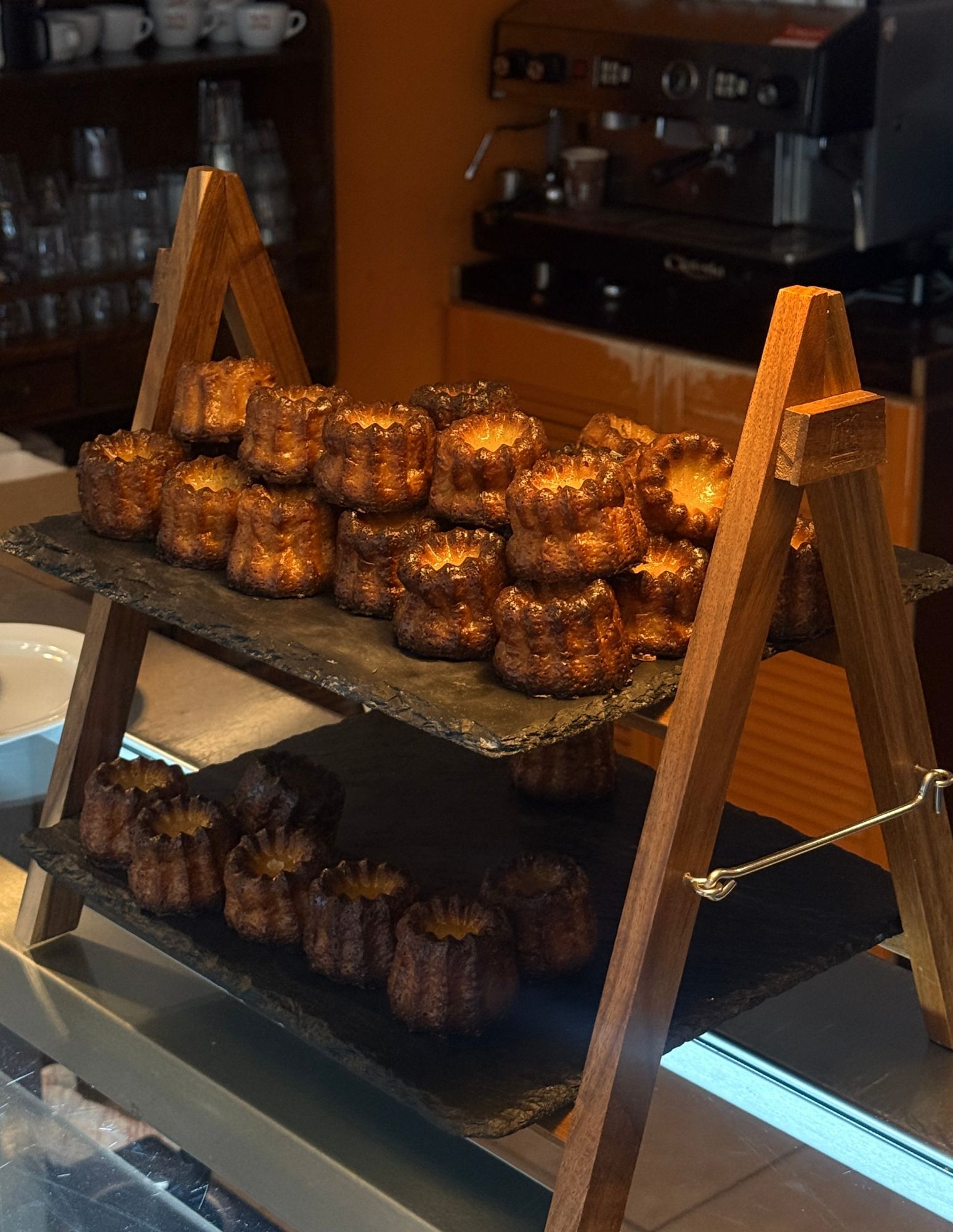
That Lorente can do more than laminated dough is clear from the rest of the counter. Canelés, the small cakes from Bordeaux, have a dark caramelised crust and a soft, almost custardy centre. Vanilla and rum often flavour the batter. The contrast between crisp outside and moist inside is the whole appeal.
Next to them sit financiers, small almond cakes traditionally made with browned butter. As it heats, the milk solids develop nutty, roasted aromas. Here too, few ingredients and the right temperature produce a surprisingly distinctive flavour.
Tartlets with fruit and cream, pains au chocolat, cinnamon buns and baguettes complete the range. The selection changes. If you have something specific in mind, don’t assume it will be in the display on every visit.
Time is the most expensive ingredient
On his website, Lorente names three requirements for a good product: quality ingredients, passion and time. The last point in particular is remarkable. In hospitality, time is one of the most expensive ingredients there is.
By his own account, Lorente does a large part of the production himself. The rbb reported on how he produces hundreds of pastries before the shop even opens. Later they sit in the display, without showing the hours of work behind them.
France on Schildhornstraße
On Saturdays, Lorente also sells at Winterfeldtmarkt in Schöneberg.
Crapulix is worth visiting for the simple classics: the flaky croissant, the caramelised crust of a canelé, the financier made with browned butter. Their production is elaborate; the result needs little explanation. A plain croissant shows Lorente’s approach best.
CrapulixSteglitz · Bakery